Researched and written by Matthew Scarlino.
Note: This article was originally written in September 2020 for the Toronto Police Military Veterans Association
On the 2nd September 1918, 102 years ago today, a young Toronto Police Constable, Robert Alexander (badge no. 264) of the Old No. 9 Police station at Keele & Dundas, performed actions during the First World War that led to his award of the Distinguished Conduct Medal – a gallantry award for enlisted ranks second only to the Victoria Cross.

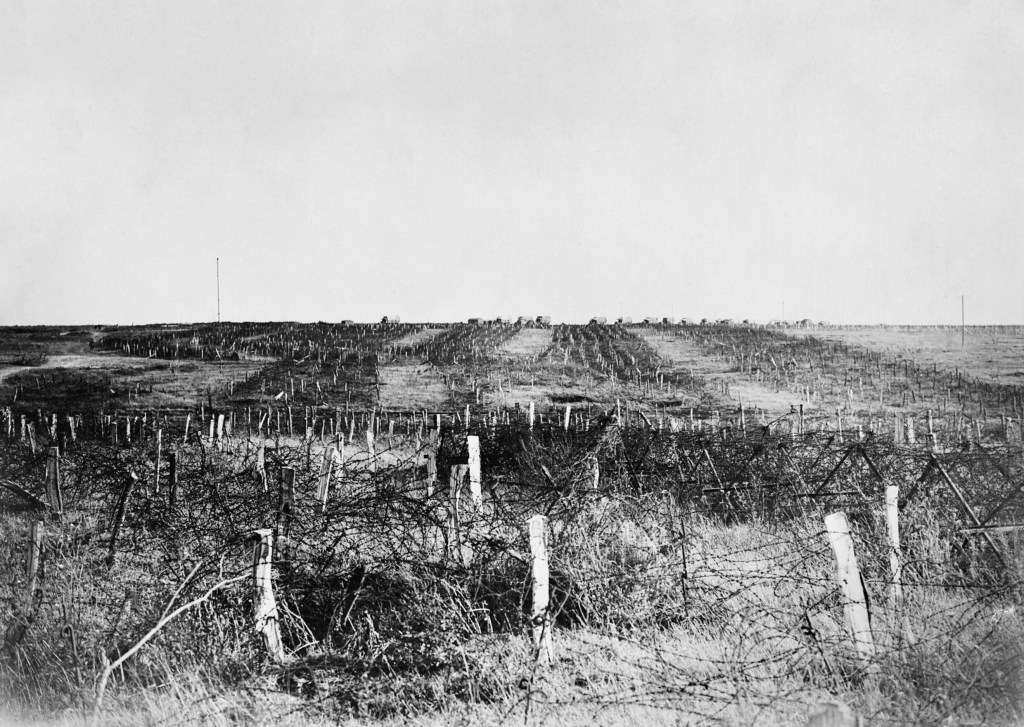
PC Alexander was on leave from the department and serving with the 15th Battalion (48th Highlanders of Canada) on the Western Front, holding the rank of Corporal. The Canadian Corps was engaged on the attack on the Drocourt-Quéant Line, a major German fortified position which dominated the area. It was a system of bunkers covered by interlocking arcs of artillery and machinegun fire, protected by fields of barbed wire. Alexander’s Battalion had arguably the hardest task, attacking a main strongpoint known as the “Crow’s Nest”. The fighting was heavy, and there was some doubt whether the position could be taken. The men clashed up and down hills and through woods. “In the confusion of things, several men of the 15h Battalion were too far to the right, amongst the Imperials. Cpls. Robert Alexander and G. Taylor helped on that flank spectacularly and were recommended for honours by the British” writes Kim Beattie, author of 48th Highlanders of Canada 1891-1928.
By the end of the battle, Canada suffered over 5,000 killed and wounded. German losses are unknown but significant, and the German army was forced to withdraw to the Hindenburg Line.
The attack was successful in part due to the daring actions of PC Alexander and others like him. His citation for the Distinguished Conduct Medal appeared in the London Gazette on 16 January 1919, and reads as follows:
“For conspicuous gallantry and initiative in the attack on Drocourt-Queant line on the 2nd September, 1918. When one of the companies was held up by a strong machinegun post, he led his platoon forward and bombed the occupants, over sixty of whom surrendered. He showed conspicuous ability in handling his platoon and keeping the men under control in the face of machine-gun fire from both flanks and point-blank artillery fire. ”
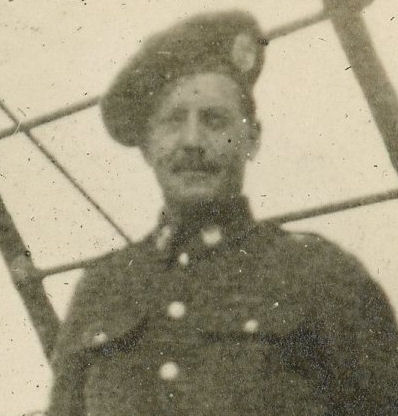
Alexander would return to the Toronto Police Force after the war, was quickly promoted to Patrol Sergeant, and continued climbing the ranks to Inspector, before finally becoming Chief Constable of the neighbouring York Township Police.
Alexander was an original member, and President (1926-27) of the Toronto Police War Veterans Association.
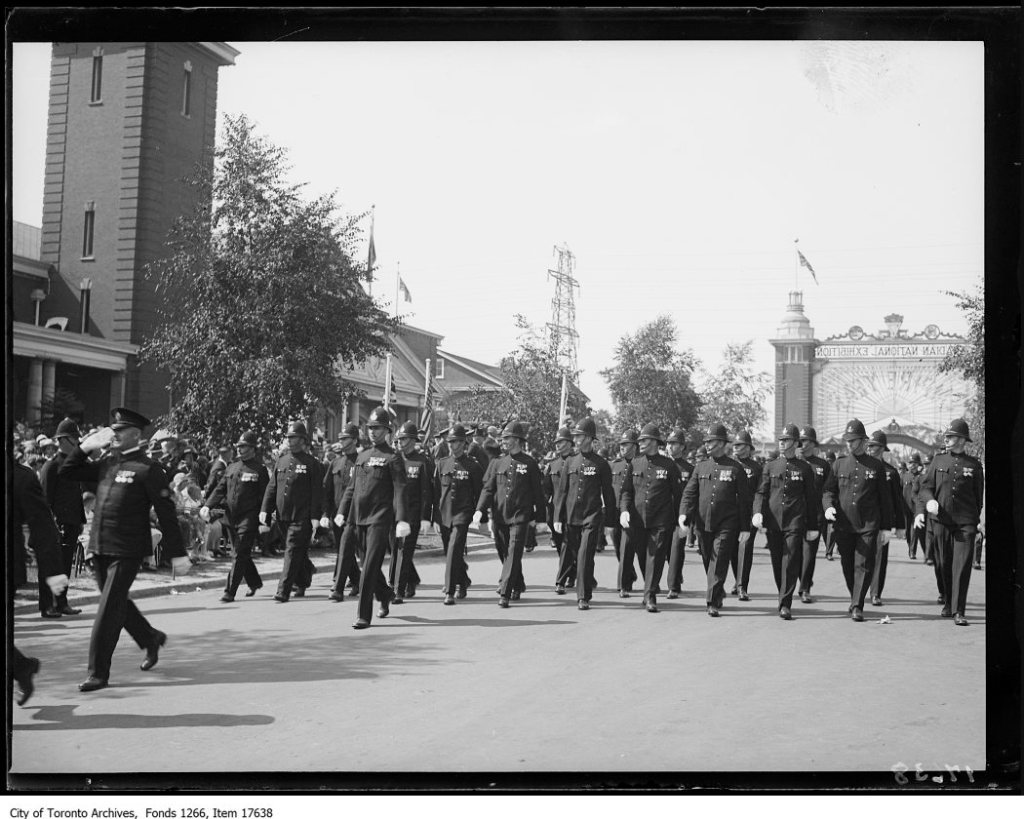
Sources and further reading:
- H. Grasett – Annual Report of the Chief Constable of the City of Toronto, Nominal and Descriptive Roll of the Toronto Police Force for 1914. Toronto: Carswell publishing, 1915.
- Library and Archives Canada – Personnel Records of the First World War (799372 Robert Alexander); Honours and Awards Citation Cards 1900-1969 (799372 Robert Alexander); War Diaries of the 15th Battalion CEF.
- K. Beattie – 48th Highlanders of Canada 1891-1928. Toronto: 48th Highlanders of Canada, 1932.
- G. Young – 15th Battalion CEF Memory Project: The Battle for Crows Nest (video), 2020.
- J.L. Granatstein – Hell’s Corner: An Illustrated History of Canada’s Great War 1914-1918. Vancouver: Douglas & McIntyre, 2004.
- Toronto Public Library – Historical Newspapers Database. Toronto Daily Star 1916-01-26 “Policemen Don Khaki for Blue”; The Globe 1919-09-09 “Police Board Honor Heroes”; The Globe 1927-03-25 “Suggest Memorial for Police Soldiers”; The Globe and Mail 1938-09-01 “New Police Chief”
- The London Gazette. Supplement 31128 to the London Gazette, Page 847. London: King’s Printer, 1919.
 The Khaki and Blue Project