An Excerpt from “Recollections of a Police Magistrate”.
Written by Col. George T. Denison III in 1920.
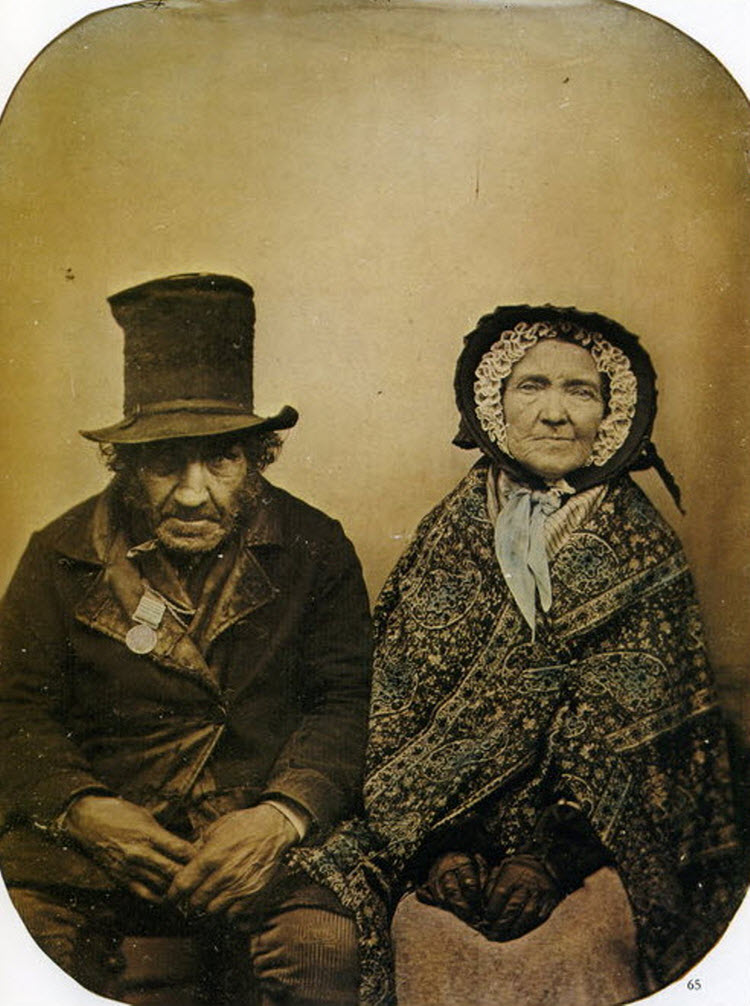
(Public Domain)
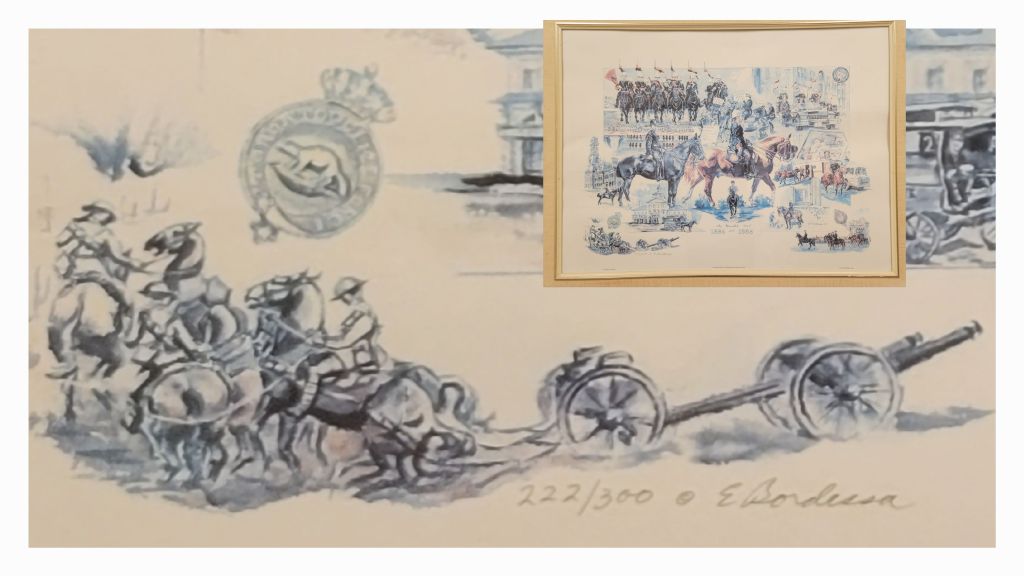
I have many recollections of old soldiers. I commanded for about forty years the Governor-General’s Body Guard, which formed the cavalry of the Toronto active militia, and commanded it at the Fenian Raid of 1866 at Fort Erie, and again in the Northwest Rebellion of 1885. On the 1st April, 1885, I had just finished my court, when I received telegraphic orders to turn out my corps for active service in the Northwest. I issued orders at once, and left Toronto with my Command three or four days later, and was away from Toronto for nearly four months. On our return, the Corps was released from duty, and the next morning I took my seat on the Bench.
To my surprise, I found that the barristers and officials of the Court had prepared a special reception for me. The Courtroom was decorated with flags, and with a quantity of flowers, very tastefully arranged around my seat and desk. Addresses were made by one of the barristers, and the Chief of Police, warmly welcoming me back to my duties, and I expressed my thanks in a short speech. I then began trying criminals in surroundings which I believe were very uncommon in a police court. Although it was somewhat embarrassing, I was nevertheless much pleased at the kindly feeling manifested by my friends.
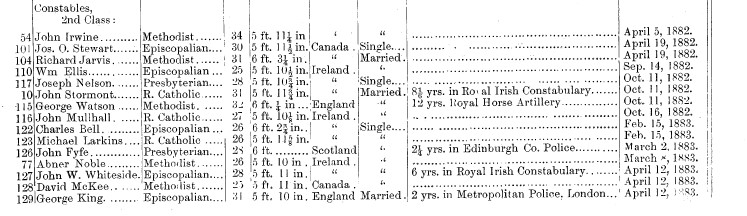
The old soldiers and pensioners had an idea, which was well founded, that I had a friendly feeling for them. The old pensioners some years ago were all long-service men, who had put in the best part of their lives in the army, and had generally followed the Colours all over the world. They were a very interesting class, and about pension day there was considerable fraternizing and jubilation, which often brought them before me for drunkenness.
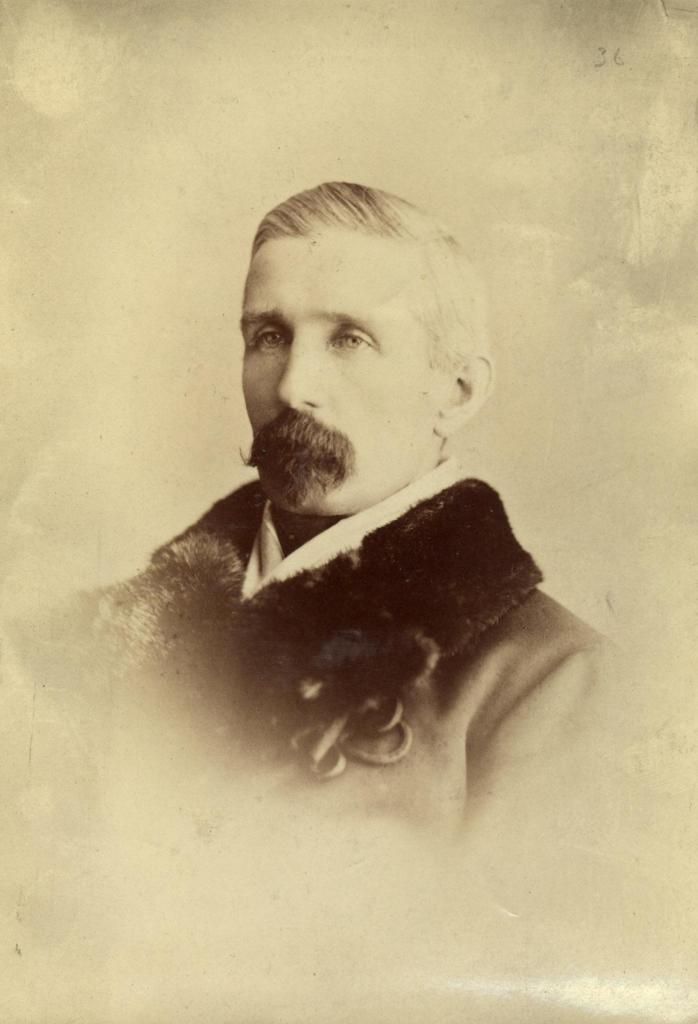
(Toronto Public Library/Baldwin Collection of Canadiana)
I generally made any excuse I could for letting them off, for they had done no harm to anyone but themselves. On one occasion I told a fine-looking old soldier that he was charged with being drunk, and asked him if he pleaded guilty or not guilty.
“Guilty, Colonel,” he replied, “of course I was guilty. Why wouldn’t I be guilty? Didn’t I get my pinsion yesterday? What would be the use of my toiling and slaving in the British Army all my life, all over the world, if I couldn’t get drunk on pinsion day?”
There was an earnest air of indignation in his manner, which amused me very much. I said: ‘‘You may go, but don’t come here again before next pension day!”
The methods used by these old soldiers to let me know they were soldiers were often very clever. They generally tried to give me a hint that would not be understood by the crowd. Sometimes they would stand rigidly at attention, and plead guilty, generally addressing me as Colonel, as in fact do most of my customers. I could detect the old soldier at once. Sometimes I would ask:
“Have you been here before?”
“Yes, Colonel.”
“What was done with you?”’
‘‘I was admonished, sir.” There could be no mistake then.
Sometimes they would give me a military salute, and sometimes a pretended soldier would salute to cause me to believe that he was a pensioner. I did not like fraud, and I could detect a bogus salute, and I would tell him that a man who could not salute better than he did, should not get drunk and I would fine him.
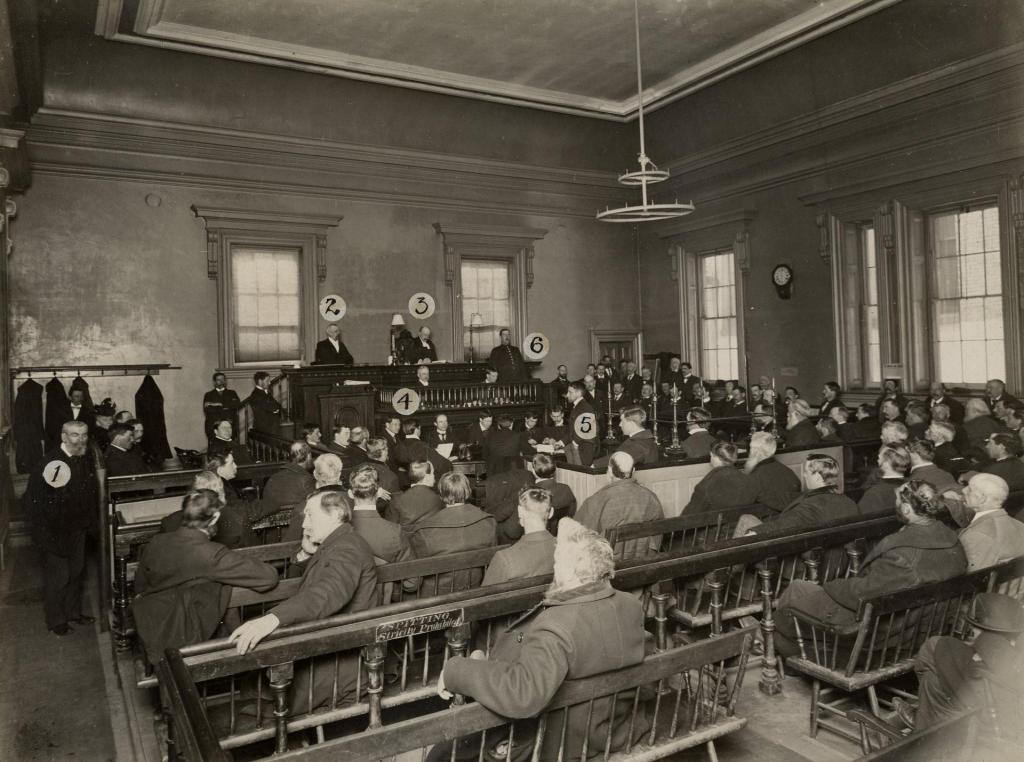
(Toronto Public Library / Baldwin Collection of Canadian)
One fraudulent customer of that kind attempted to deceive me, so I said, “Were you ever in the army?”
‘‘Yes, sir,’’ he replied.
“In what regiment?” I said.
“In the 61st Hussars.”
“Are you sure it was not the 51st Hussars!”
“No, sir, the 61st Hussars.”
‘‘In the British Army?”
“Yes, sir,” and he told me he had served in it seven years.
“Well,” said I, “I am quite interested in seeing you, for I never saw a man of that regiment before, there are only twenty-one regiments of light cavalry in the army, and I must be the only man who ever saw a man of the 61st Hussars. I shall keep you awhile as a curiosity.” And I promptly fined him.
Another fraud of this type told me that he had belonged to the Dublin Refuses. He evidently had heard of Fusiliers, and was intending to mention them, but did not remember the name. He was fined.
Another man told me he was drunk but he had met an old friend whom he had not seen since they were on the “Rock” together. He knew, I would understand that they had served at Gibraltar. Of course under the circumstances, he got off without a fine.
Another old pensioner excused himself by saying he had met an old comrade that he had not seen for some time, and he had taken more than he should.
‘‘Was he an old soldier?’ I said.
“Yes, sir.’’
“Well you can go this time, but you take my advice, and keep away from old soldiers, they are a bad lot.” He laughed and went off.
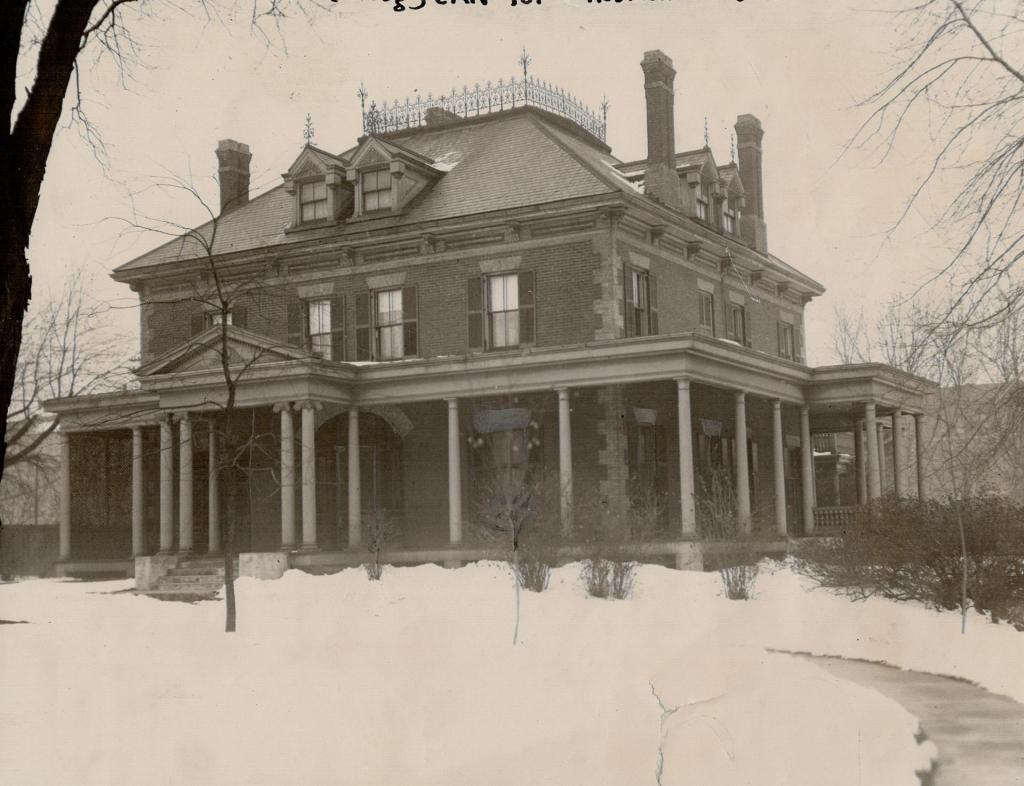
(Toronto Star Photograph Archive, TSPA_0112982F)
I would never allow litigants to come to discuss cases out of Court, or discuss anything at my house, and there were often attempts to gain my ear in various ways. People coming to my house to see me, were always told to wait in the vestibule, until I went to them. The moment I found it was about Police Court business I would open the door and show them out. One day a man summoned by another for some offence, came to my house to explain matters to me, but knowing my reputation for not talking over cases, he brought along with him another Irishman, an old soldier, a man of experience to aid him, and to endeavour to get me to discuss the case with him.
He began by telling me he had a summons. I asked to see it, and I pointed out to him that he was to be at the Police Court the next morning at 10 o’clock, and for him to be there, and I would hear all he had to say.
“Yes, sir,” he said, “but I want to explain it so you will understand it.”
“You can explain it in Court when the other side is present. I will not discuss a case with one man behind the other man’s back.” The old soldier with a wise look that was most impressive, said:
“That seems the correct principle, Colonel.” “Of course it is,” said I. “Now how would you like the other man to come here in half an hour, and tell me all about you behind your back? You must go,” and I showed him out.
The old soldier turning to me as if we understood each other, said, “You are quite right. Colonel, that is the correct principle, not only ‘in jurisdiction to yourself, but also in jurisprudence to others’.”
“Certainly,” I said. “You understand it,” and they went off.
One noted character who came before the Court thirty years ago was a big Irishwoman who stood nearly six feet in height and was strong and heavy. The police had great trouble whenever they attempted to arrest her for drunkenness. One alone would rarely attempt it. She was often fined for drunkenness, and would serve her time in jail. Sometimes she would be arrested for vagrancy, for wandering about the streets without a settled home, and was several times fined for that. Then she rented a small house, and having friends who like herself appreciated stimulants it happened that the house was the scene of drunken rows; and fighting and bad language could be heard, until the place became a nuisance. While a row was going on one night the police came down and arrested everyone in it. The woman was sentenced to a fine or sixty days in jail and before she left the dock to serve her sentence, she turned to Sergeant Ward in charge of the police division, and said:
“Sergeant Ward, dear, before I lave I want to spake to you. You have brought me here often, and had me sent down for being drunk. Then when I would not get drunk, you brought me in for being a vagrant and had me sent down for not having a home. Thin I get a house, but there is no plasing ye, and ye bring me up for keeping a disorderly house. Now Sergeant dear, there is no place left for me, except a balloon, like a good fellow have a balloon for me when I come out’’.
The police were obliged to let her have her say before they could take her to the cells, for great bodies move slowly. Ward was often chaffed about the balloon. In those days when airships and aeroplanes were unknown, the joke was much more effective.
This reminds me of another story of the same type. An Irishman who was a member of the House of Commons for an English constituency, some years ago called on me, and I asked him to sit on the Bench with me, and he afterwards told me a story brought to his mind, evidently by the fact that I was a Magistrate, and a Colonel of Militia. He said a friend of his who had been a Major of Militia, and was a Magistrate in Ireland, was one day trying his cases, when he had to send an Irishwoman, of the same type as the one I have just described, to prison for a term, when she addressed the Magistrate in these words:
‘‘Well, Major, I want to say this to ye, that me feyther was hanged for murther, me husband was hanged for murther, me eldest son is sarving a term of penal servitude for life, for shooting a landlord, [note the fine distinction] and my two daughters are earning a disgraceful living in Dublin, but I thank the Good Lord, and the Holy Blessed Virgin Mary, that there was none of my people ever connected with the Militia!”
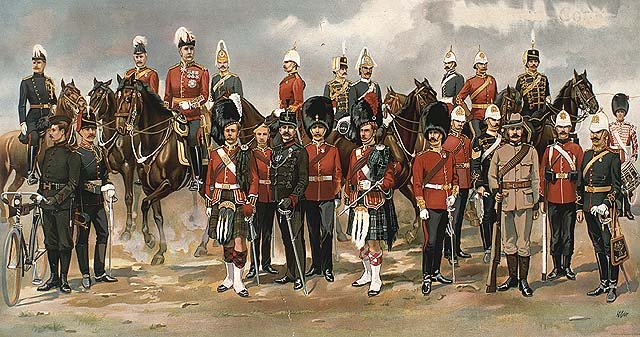
Postscript
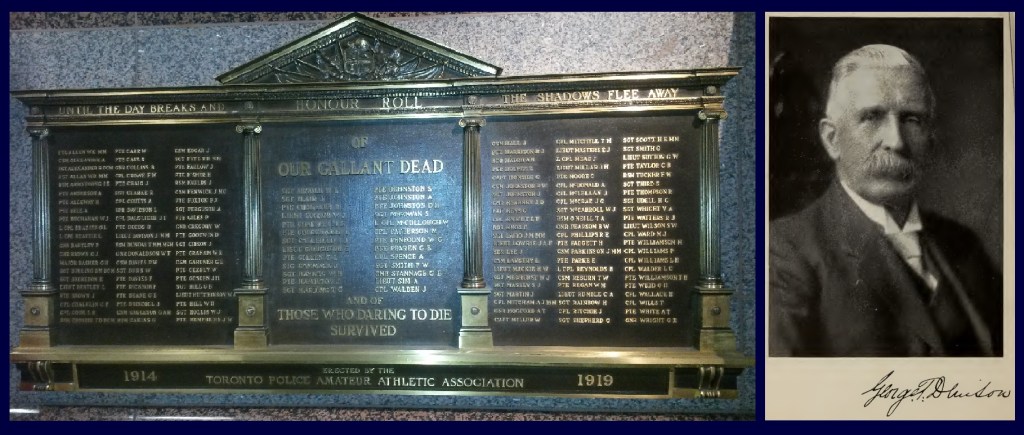
George Taylor Denison III was born in Toronto on the 31st of August 1839 to a prominent military family.
He made his own mark as a Cavalry Officer in the Governor General’s Body Guard (today the Governor General’s Horse Guards) rising to be its commanding officer. He served in Fenian Raids of 1866 and in the Northwest Rebellion. He was world renowned for his important literature on cavalry tactics, particularly for his 1877 work “History of Modern Cavalry”. As a prominent member of the Canada First movement and Royal Society of Canada, he was influential in Canadian identity politics in the nation’s formative years.
Largely forgotten today is the fact that he was also the Police Magistrate for the City of Toronto for almost 40 years. During that era, he was a household name in the city and his courtroom was reported on daily in the newspapers. His “Recollections of a Police Magistrate” was published in 1920 and is available for download here.
Lieutenant Colonel George Taylor Denison III died on June 6th, 1925.

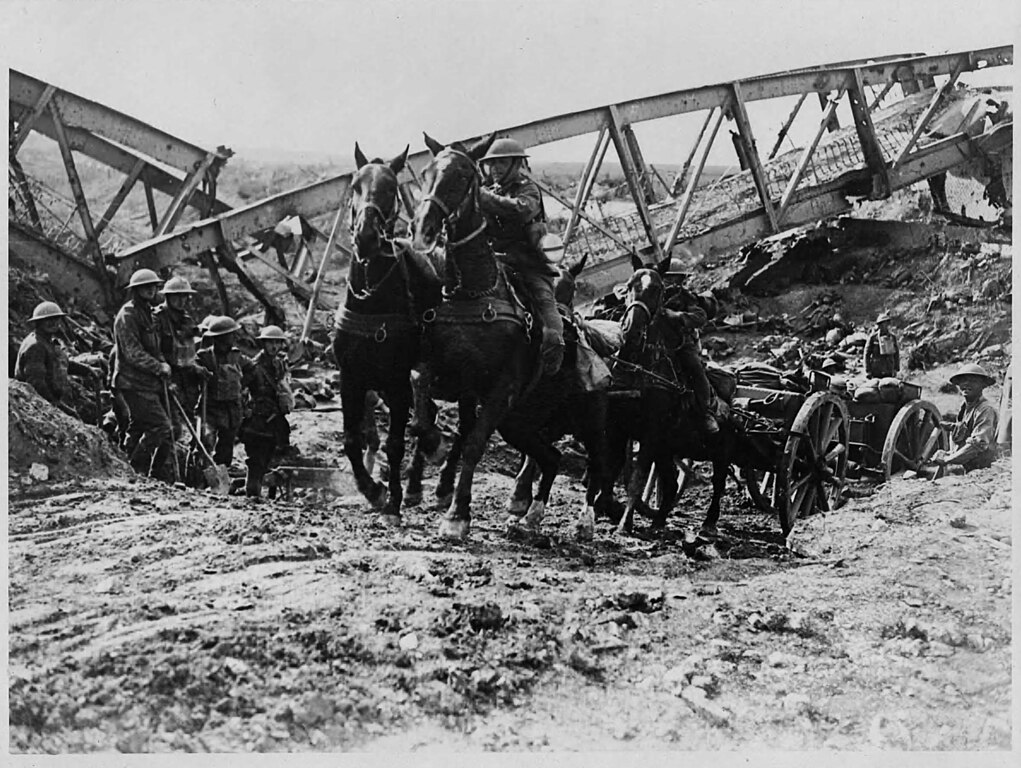














 The Khaki and Blue Project