Police Constable 363, Toronto Police Department | Private, Argyll & Sutherland Highlanders of Canada
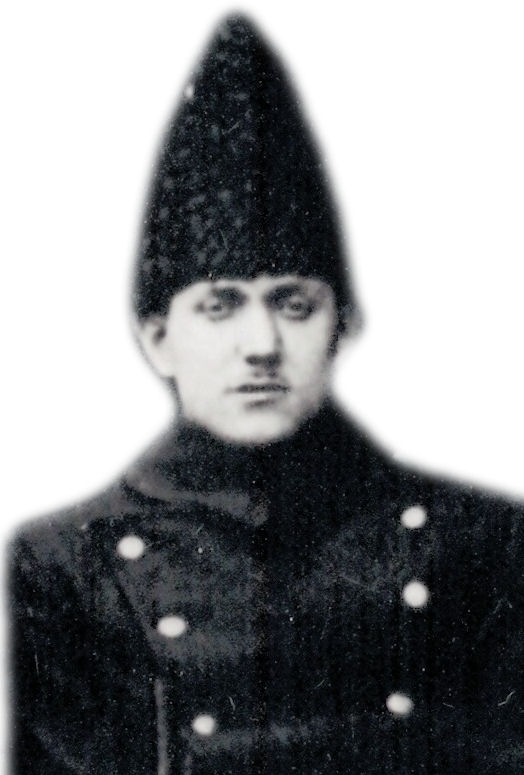
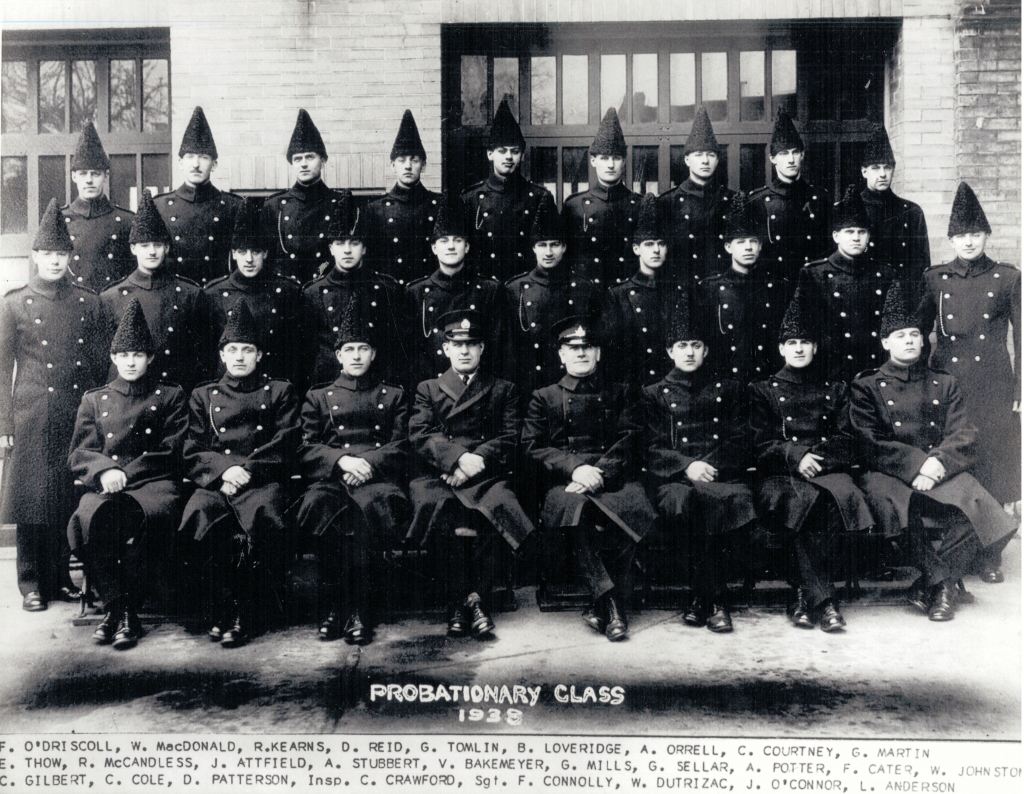
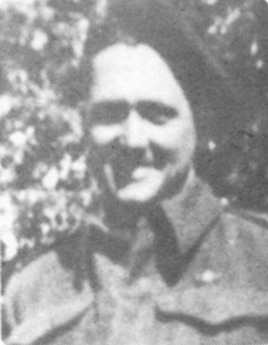
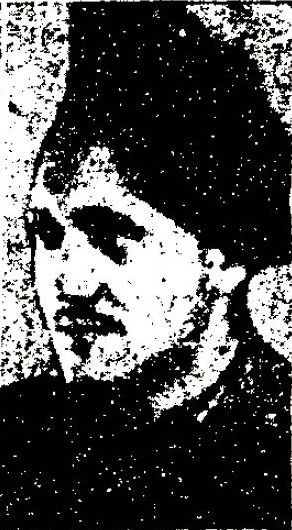
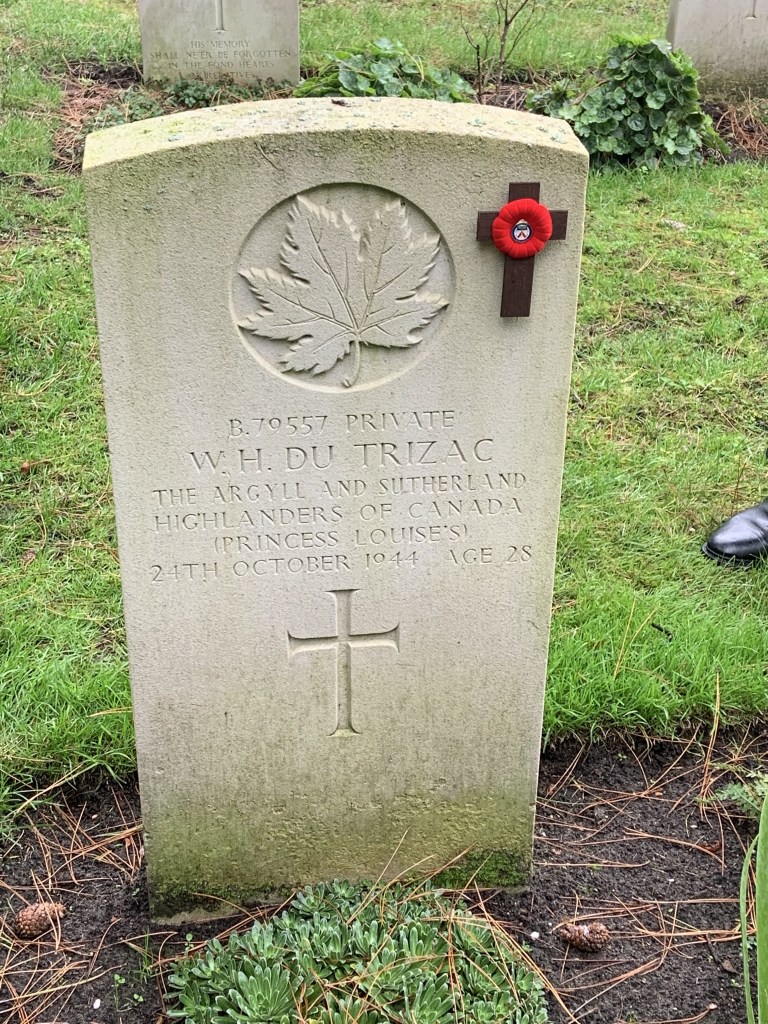
William Henry du Trizac was born on 4 February 1916 and grew up in the Ottawa Valley. As a young man, he played high school basketball for Renfrew Collegiate and served in the Canadian Militia with the Lanark and Renfrew Scottish Regiment. Moving to Toronto in 1935, and completed a year at Western Technical School. In 1938, du Trizac joined the Toronto Police Department, appointed Police Constable No. 363, and served of No. 3 Police Station in the Queen Street West and Claremont Street area. Du Trizac lived at 305 Indian Rd with his wife Jeannette and their infant son William.
On June 14th, 1941, PC du Trizac enlisted in the Canadian Army for wartime service, joining the Irish Regiment of Canada – an infantry unit with a specialty in heavy machine guns. After initial training, du Trizac’s unit moved to Halifax where he qualified as a driver of Class III tracked and wheeled vehicles, such as machine gun carriers and armoured personnel carriers. In November 1942, du Trizac went overseas to England to prepare for the retaking of Europe, and received further mechanized driver qualifications.
On September 2nd 1944, du Trizac landed in France, and moved up to the front as a replacement in the Argyll & Sutherland Highlanders of Canada (Princess Louise’s), which had just suffered losses after the fighting at the Falaise Gap. Du Trizac and his new unit would continue through France and Belgium and the Netherlands towards Germany.
After days of fighting in the Breskens Pocket, du Trizac would take part in an attack on the enemy-held Dutch village of Wouwse Plantage on October 24th, 1944. Two companies of the Argylls launched their attack on a “peculiarly nasty” night, in cold rain and under pitch black skies, where Du Trizac’s carrier had to traverse thick mud. Early on, Canadian vehicles such as his were becoming bogged down in the mud, immobilized, and then knocked out by anti-armour weapons which covered the approaches to the town. The village had also been set on fire, silhouetting the advancing Canadians, making them easy targets for the heavy small arms fire which inevitably came. The attackers, now stalled, fell victim to heavy, accurate mortar fire. Several more attempts to attack were made, but the “nightmarish fighting and constant battering” proved too much. Du Trizac was killed early in the battle.
This operation was part of the Battle of the Scheldt, an important Canadian victory, reopening the approaches to the port of Antwerp, and supplying Allied armies for the final push into Germany.
Police Constable William Henry du Trizac is buried at Bergen-Op-Zoom Canadian War Cemetery in the Netherlands.
Research Sources:
- D. Draper – Annual Report of the Chief Constable of the City of Toronto for the Year 1943, Pages 16 and 26. Toronto: The Carswell Co Ltd City Printers, 1944.
- R.L. Fraser. Black Yesterdays: The Argylls’ War. Argyll Regimental Foundation, 1996.
- Correspondence with R.L. Fraser, Regimental Historian, Regimental Foundation of The Argyll and Sutherland Highlanders of Canada (Princess Louise’s).
- Library and Archives Canada. Service File of No. B79557 William Henry DuTrizac
- Commonwealth War Graves Commission. Casualty Details for No. B79557 William Henry DuTrizac
- Toronto Daily Star (1941, May 28th), Page 37. “Baby Carriage Hit”.
- The Globe and Mail (1944, December 5th), Page 7. “Killed in Holland.”
 The Khaki and Blue Project